01
Ownership
AI makes it practical for middle-market companies to own the operational software that stores their information and runs their business.
Invention > Convention
RAAMP is i3 Global's operational software platform, developed over years of real-world use and refinement. This foundational codebase (think building blocks) gives family enterprises and middle-market companies a head start on developing operational software they can own and control.
What is RAAMP?
Rather than starting from scratch, companies use RAAMP as a head start, building on a proven foundation while maintaining ownership of the customizations that make the software unique to their business.
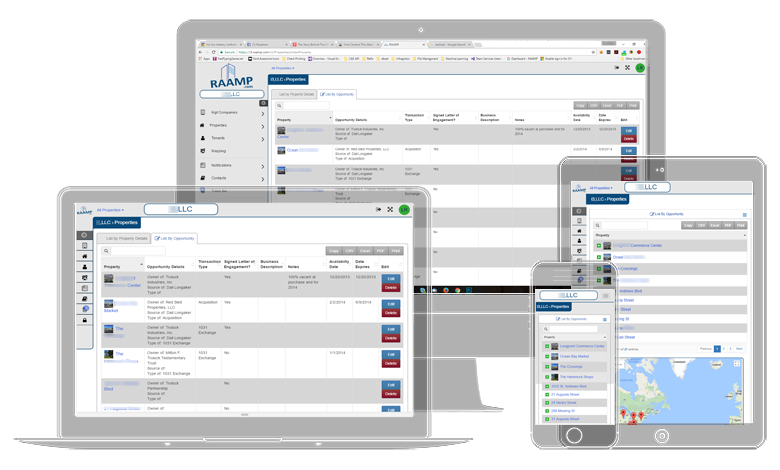
RAAMP is i3 Global's operational software platform, developed over years of real-world use and refinement.
This foundational codebase (think building blocks) gives family enterprises and middle-market companies a head start on developing operational software they can own and control.
Beyond the code itself, companies gain access to the rationale behind it: The accumulated reasoning, operational lessons and software design decisions that have shaped successful enterprises over time.
Together, the codebase, operational context and AI-driven development make it practical to build software tailored to a company's unique workflows, ownership structures and decision-making requirements.
01
AI makes it practical for middle-market companies to own the operational software that stores their information and runs their business.
02
Tailored operational software is built around how your company actually works. The result is a tool that connects and contextualizes information in ways subscription-based software cannot.
03
Access to stronger, contextualized information reveals opportunities, exposes emerging risks, creates deeper insights and elevates decision-making.
04
Owning your company's platform gives you the flexibility to adopt new AI capabilities and build custom tools as your business and technology evolves, instead of waiting for SaaS providers to catch up or decide what gets built next.
Some companies now have access to AI-driven development. Others may have a starting codebase. Few have years of documented operational reasoning. RAAMP combines all three.
It's pattern-driven, organized and modular. This allows for effective and economical collaboration with AI agents, making custom-built operational tools possible for middle-market companies. In turn, software maintenance, improvements, additions and fixes can be delegated to cost-effective, AI-driven development.
At the same time, the institutional knowledge, operating needs and complexities of family enterprise have been documented throughout the codebase. This preserves the reasoning behind key decisions, allowing the architecture to inform tailored development for i3 client families, family enterprises outside our network and middle-market companies that choose invention over convention.
Businesses like i3 and the family enterprises it serves understand their own needs better than any software company.
For decades, most companies had little choice but to adapt their operations to the constraints of commercially available software. AI-driven development is changing that. Combined with RAAMP's pattern-driven codebase, organizations can now build operational tools around their own workflows, ownership structures and decision-making requirements.
The companies closest to the work can once again shape the systems that support it.
RAAMP is developed and maintained in partnership with Syntactical Solutions, a Microsoft-stack software development firm that shares common ownership with RAAMP and i3 Global and supports platform development, integrations and enterprise-specific customization.
Currently, i3 is inviting its client families and other ownership-minded family enterprises into a network dedicated to aligning RAAMP's architecture with emerging AI capabilities. The network creates shared operational efficiencies that each company can own and control. To learn more, visit our contact page or email us at info@i3resources.com.
RAAMP includes foundational operational capabilities that most businesses need, including file management, e-signature workflows, accounting functionality, bill payment and reporting.
More importantly, it includes an architectural framework shaped by years of real-world operating experience. Companies are not simply receiving code. They are benefiting from an established structure that has been refined through practical application inside a complex family enterprise environment.
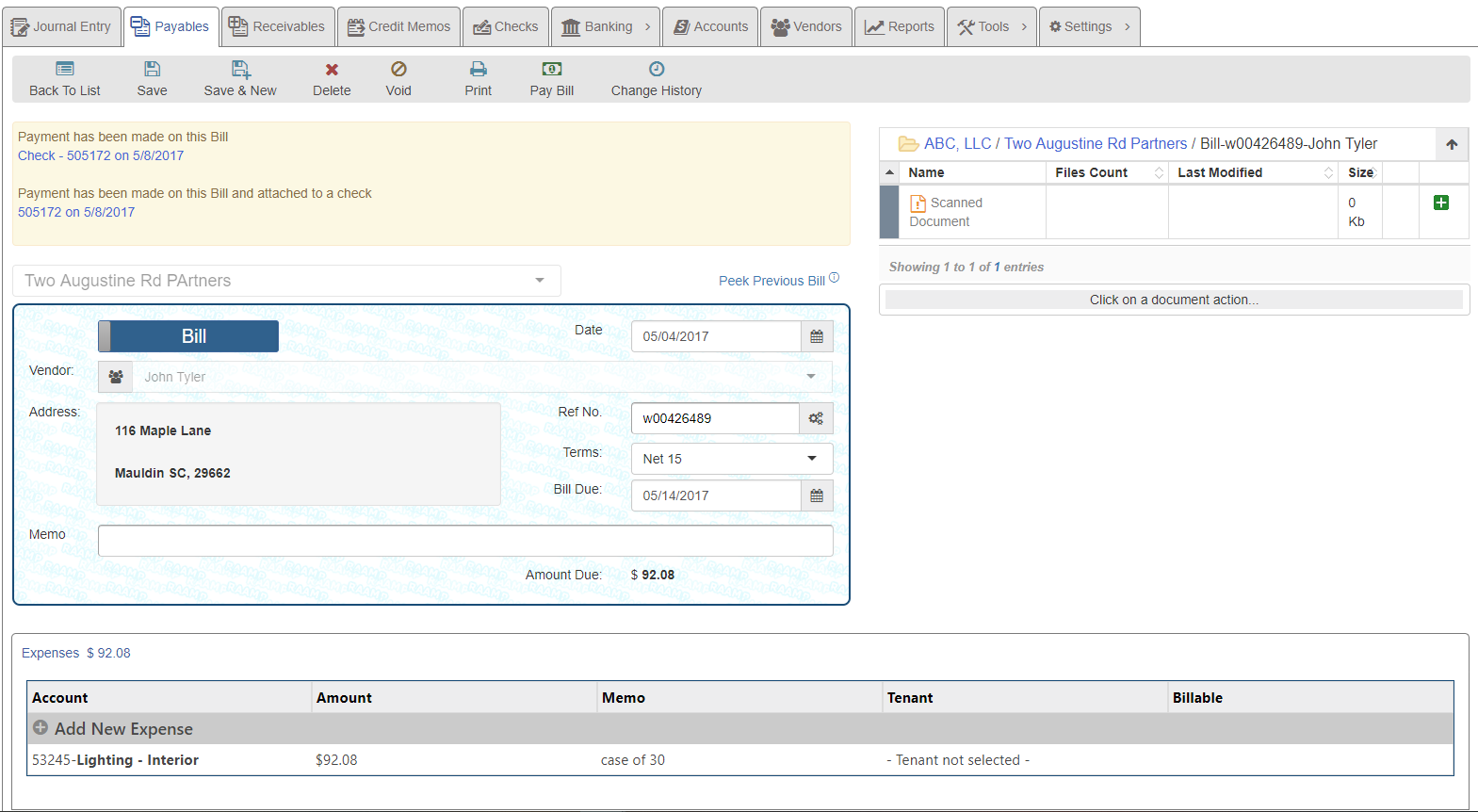
One ERP for accounting, sales, reporting and operational infrastructure.
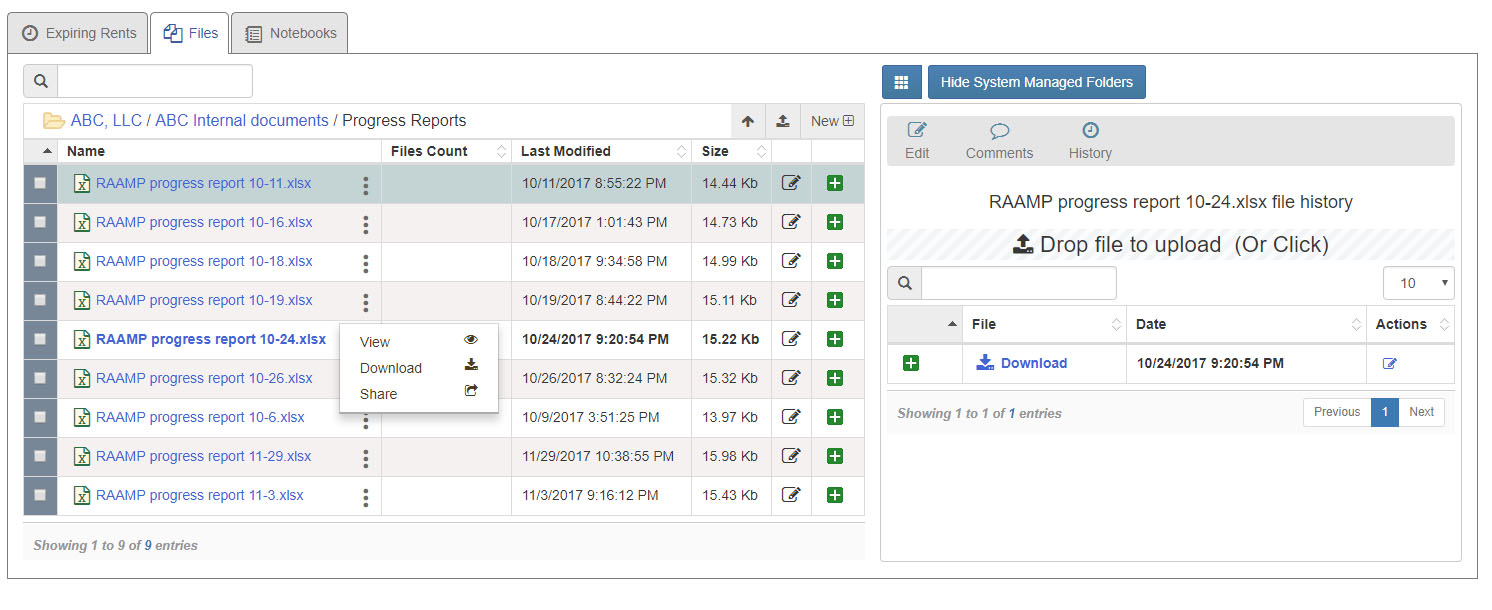
Includes foundational capabilities such as file management, e-signature, accounting and bill payment.
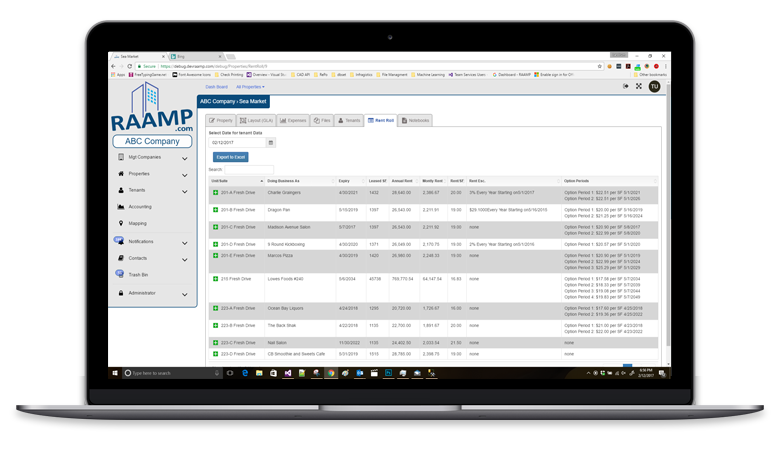
Custom applications, workflows and enhancements developed on top of the platform remain customer-owned.
RAAMP is intended for forward-thinking organizations that want to escape the shackles of one-size-fits-all SaaS software and gain greater control over the systems that support their operations. If you've ever found yourself asking, "Why can't our software work the way we work?" it's probably worth a conversation.
We're currently building a network of family enterprises and middle-market operators who share a belief in operational ownership, digital sovereignty and the opportunities created by AI-driven development. Together, we're exploring a future where companies can build and control the tools that run their businesses rather than simply renting them. To learn more, reach out through our contact page or email info@i3resources.com.
RAAMP is a foundational ERP codebase designed for family enterprises and middle-market companies that want greater ownership of their operational infrastructure. It combines core business functions such as accounting, reporting, file management, e-signature and bill payment into a single platform that can be tailored to how a company actually operates.
Rather than starting from scratch, companies use RAAMP as a head start, building on a proven foundation while maintaining ownership of the customizations that make the software unique to their business.
Most businesses operate across a collection of software subscriptions connected through integrations and APIs. While those platforms often perform individual functions well, companies frequently find themselves adapting their processes to fit the software.
RAAMP takes a different approach. Instead of renting software built for the broadest possible audience, companies can build and own software designed around their specific operating needs, workflows and decision-making requirements.
Ownership creates control.
When organizations own the software that manages their operations, they have greater influence over how information is structured, connected and used. They are not limited by vendor roadmaps, subscription changes or one-size-fits-all feature sets.
For companies with complex operations, family governance requirements or unique workflows, software ownership creates the opportunity to build systems that reflect how the business actually works rather than how a software provider thinks it should work.
Historically, yes.
AI-driven development is changing that equation. The cost and complexity of building, maintaining and improving software are declining as AI becomes more capable of handling routine development work.
RAAMP was built with this future in mind. Its pattern-driven, modular architecture allows businesses to collaborate more effectively with AI-enabled development tools, making ownership practical for organizations that previously could not justify it.
Digital sovereignty is the ability to own and control the systems, information and operational infrastructure that run your business.
For many organizations, years of software subscriptions have created dependence on tools they do not control. RAAMP is built around the idea that companies should have the option to regain ownership of their operational infrastructure and the private information that lives inside it.
RAAMP includes foundational operational capabilities that most businesses need, including file management, e-signature workflows, accounting functionality, bill payment and reporting.
More importantly, it includes an architectural framework shaped by years of real-world operating experience. Companies are not simply receiving code. They are benefiting from an established structure that has been refined through practical application inside a complex family enterprise environment.
RAAMP is designed primarily for family enterprises and middle-market companies.
These organizations often have operational requirements that fall between off-the-shelf software and enterprise-scale custom development. They need flexibility, context and control without the cost traditionally associated with building software from the ground up. RAAMP helps bridge that gap.
Yes.
A core principle behind RAAMP is operational ownership. Custom applications, workflows and enhancements developed on top of the platform remain customer-owned, giving businesses long-term control over the systems they invest in building.
Many critical business decisions live in spreadsheets, emails, meeting notes or the memories of long-time employees. Over time, that knowledge becomes difficult to transfer, especially during leadership transitions.
RAAMP is designed to preserve operational context alongside functionality. The platform captures not only processes and information, but also the reasoning behind how systems are structured, helping organizations maintain continuity as they grow and evolve.
Not necessarily.
Some companies may choose to consolidate significant portions of their operational infrastructure into RAAMP. Others may use it strategically for specific functions while maintaining certain third-party tools.
The goal is not to replace software for the sake of replacement. The goal is to give organizations the ability to build around the way they operate and increase ownership where ownership creates meaningful value. For us, the question is not, "What software should we buy?" but rather, "What outcome are we trying to achieve?"
Because the future will not look exactly like the past.
Many companies will continue using subscription software, and for many that will remain the right decision. RAAMP exists for organizations that see an opportunity to do something different: To own more of their operational infrastructure, preserve their institutional knowledge and apply AI to create systems that fit their business rather than forcing their business to fit the system.
For those companies, invention may offer an advantage convention cannot.